DECARBONIZING SHIPPING
Accelerating zero-emission fuels, ports and policy frameworks
Global shipping is essential to the world economy, and a major, overlooked driver of climate change and air pollution. ClimateWorks and the UN Foundation are working together to shift the sector onto a fast, fair path to zero emissions.
-
Shipping accounts for around 3% of global emissions today and could rise sharply without action. Putting the sector on a zero-emissions pathway would avoid more than 1 gigatonne of CO₂e each year and transform one of the backbones of global trade.
-
Philanthropy can help accelerate zero-emission fuel adoption, embed just transition principles, and strengthen IMO standards.
-
Shipping has historically been overlooked in ocean & climate funding, with few donors active.
PROBLEM
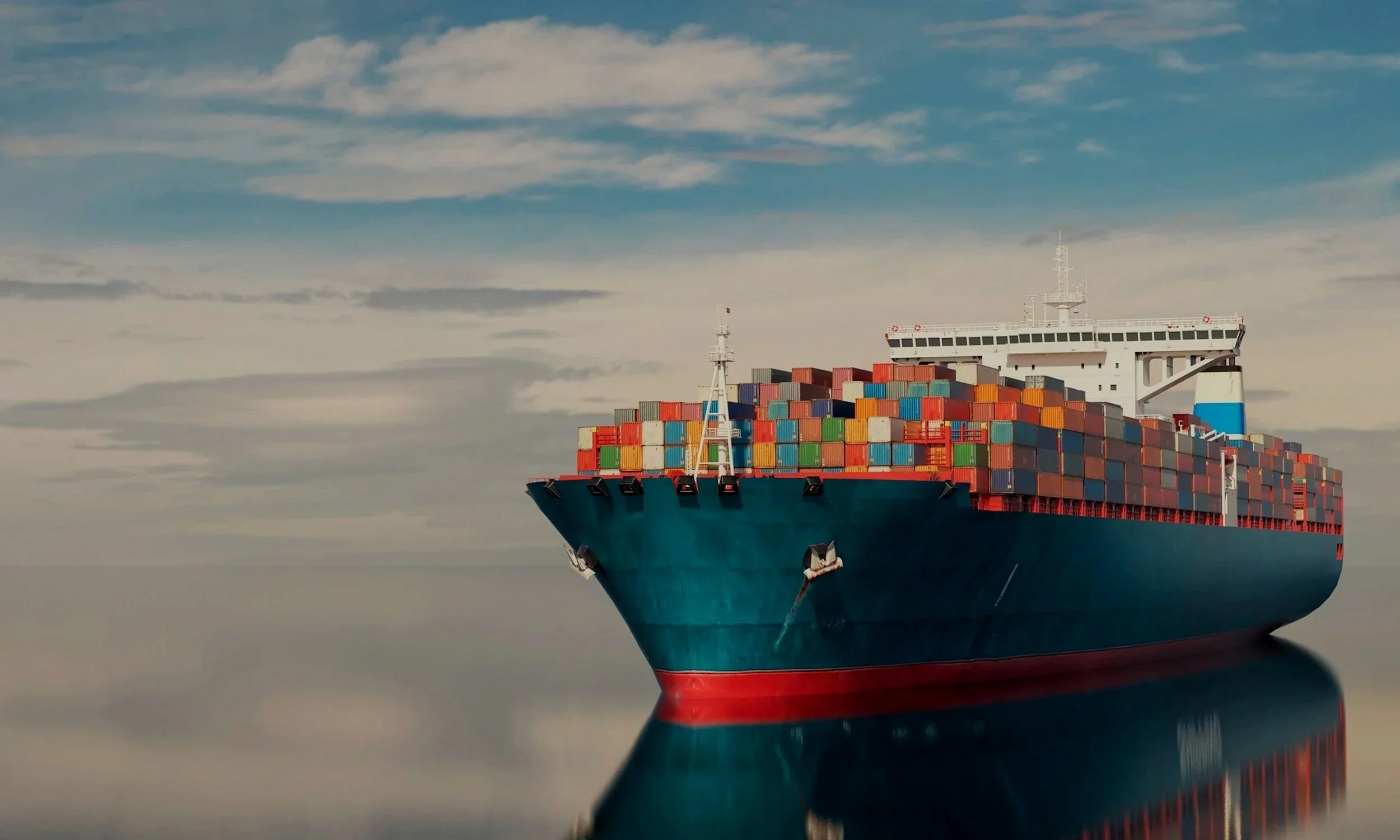
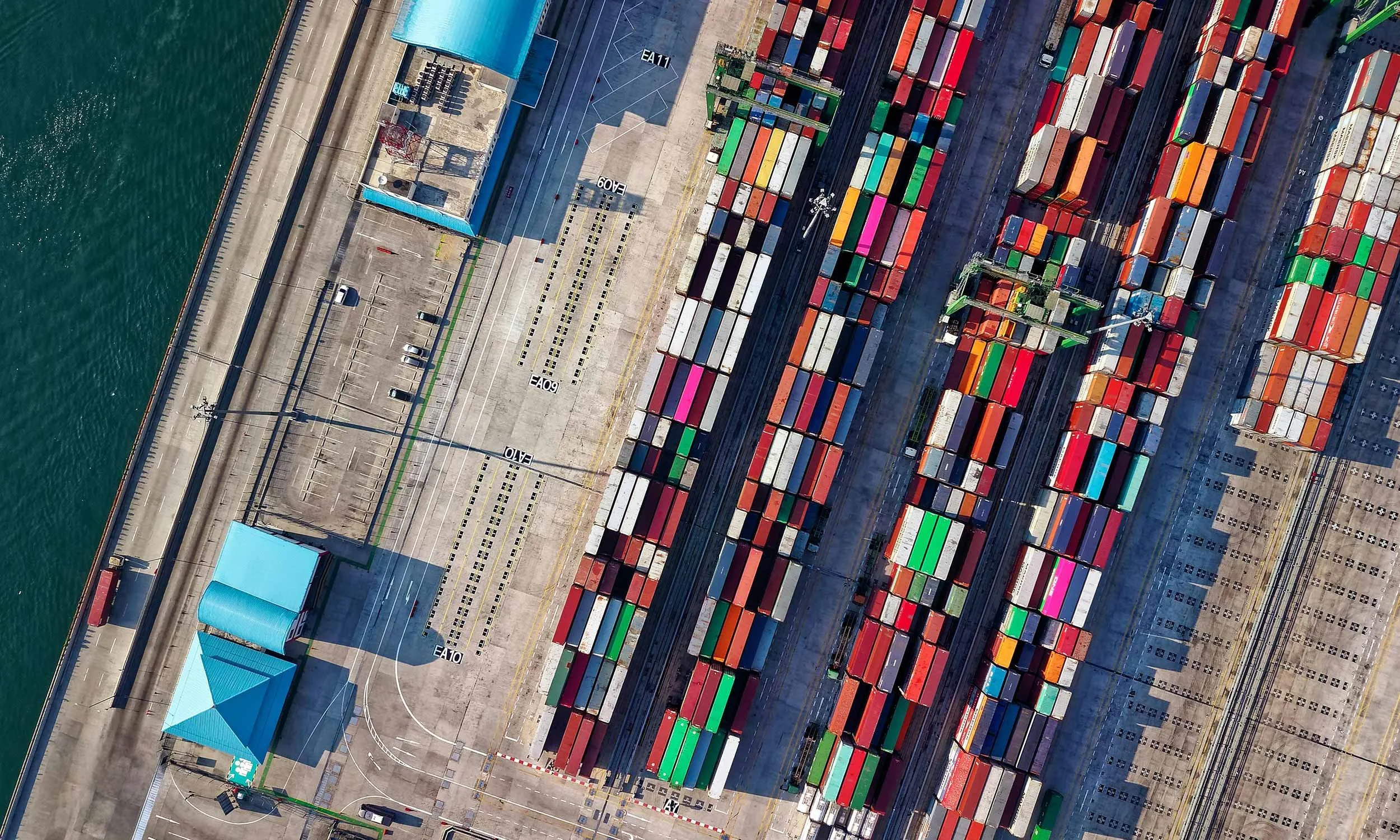
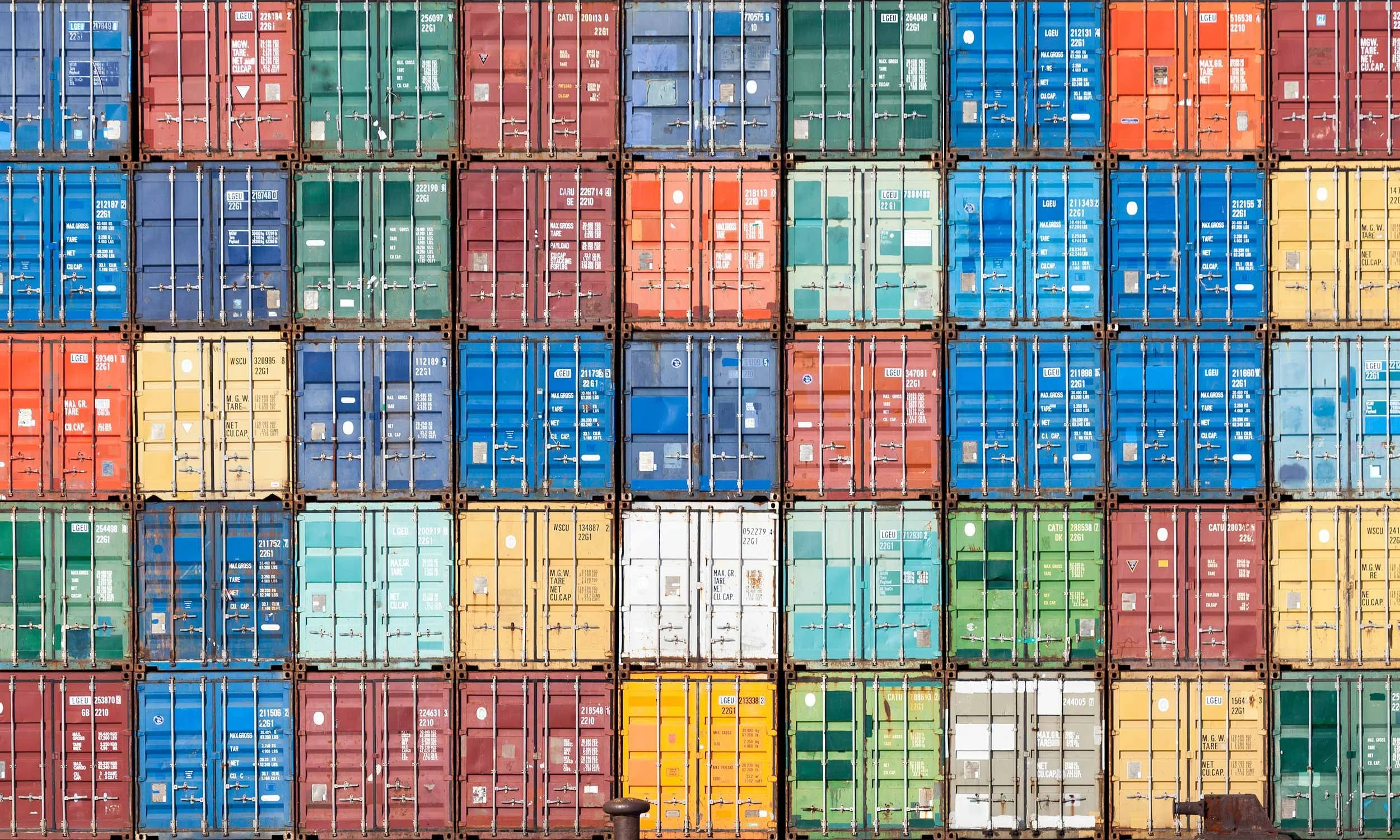
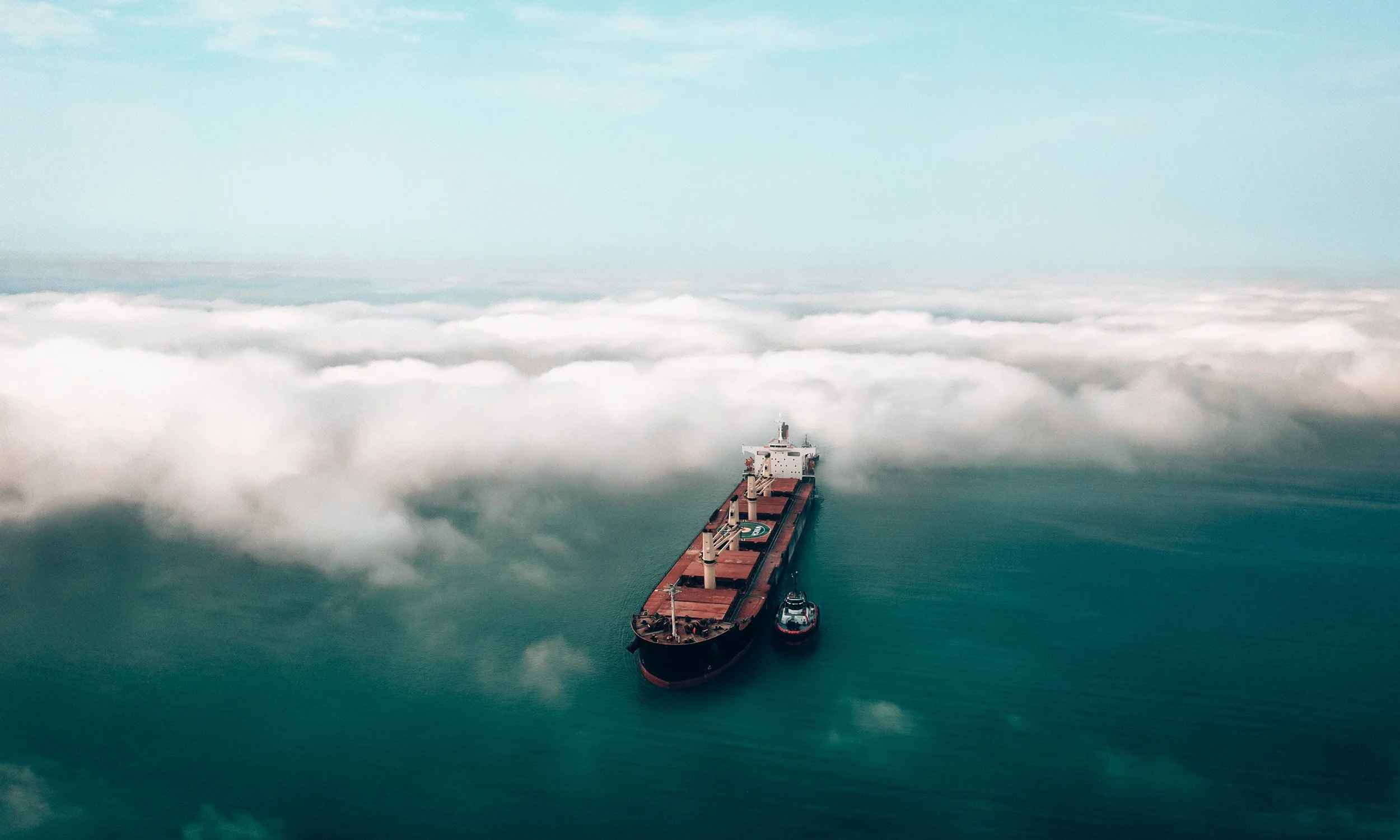
Eighty percent of the world’s trade moves by sea, on ships that generate 3% of global emissions, more than every country in Africa combined. Without rapid intervention, emissions will continue to rise as global trade grows, pushing global climate targets ever further out of reach.
Powered primarily by heavy fuel oil, the thick, dirty residue left after refining crude oil, shipping is a major source of toxic air pollution. It contributes to more than 60,000 premature deaths and nearly two million cases of childhood asthma every year, with the heaviest burden falling on frontline communities living near ports. The sector also harms ocean health through oil spills, waste discharge, marine mammal strikes and noise pollution.
Shipping has been slow to change course on climate action, earning a reputation as one of the world’s hardest industries to decarbonize. That is now beginning to shift, with much of the sector backing ambitious emissions targets, and governments adopting international agreements and regulations that once seemed far out of reach. But progress remains fragile, and without sustained pressure and political will, hard-won momentum could still stall.
GRANTEES
-
UN FOUNDATION
The UN Foundation is an independent charitable foundation that builds innovations and partnerships to support the United Nations and help solve global problems at scale.
-
CLIMATEWORKS
ClimateWorks Foundation connects funders and implementing organizations worldwide to create and scale transformative solutions for people and planet across sectors and geographies.
OPPORTUNITY
A rare window for change is open. For the first time, the sector is on the brink of binding global rules that can drive the transition to zero-emission fuels. This strategy is designed to capitalize on this moment, by shifting the balance of power at the International Maritime Organization (IMO), the sector’s global regulator, and by building leadership for decarbonization in major shipping countries in Asia.
At the IMO, the UN Foundation is strengthening the voice and negotiating capacity of climate-vulnerable and ambitious countries, helping secure agreements that cut emissions without shifting costs and risks onto the countries least able to bear them.
In parallel, ClimateWorks grantees are working across key Asian shipping countries, where future growth is projected, to advance zero-emission shipping technologies, fuels, and markets. Both are operating as regranters to achieve these aims.
Together, these efforts align diplomacy, technical expertise and coalition-building to put global shipping on a credible pathway to zero emissions, delivering cleaner air, healthier oceans and a fairer transition for the countries and communities most affected.
-
1 gigaton
of annual emissions avoided by 2050.
-
26 gigatons
of cumulative emissions avoided by 2050.
IMPACT GOAL
In the near term, this initiative is focused on securing three decisive outcomes at the IMO: an ambitious greenhouse gas fuel standard, an emissions pricing mechanism with meaningful revenue flows to developing countries, and a strong revision of energy efficiency standards.
If achieved, the impact would be transformative. By mid-century, a zero-emissions shipping sector could cut annual emissions by 1–1.5 gigatonnes of CO₂e and avoid nearly 26 gigatonnes of cumulative emissions. Cleaner fuels would also deliver major public health gains, preventing tens of thousands of premature deaths and millions of cases of childhood asthma each year. A global emissions levy could generate trillions of dollars over time to support climate action and a just transition in Majority World countries, while reduced spills, toxic discharges and ship strikes would deliver lasting benefits for ocean health.
WHAT WE FUND
-
![Northern lights over snow-capped mountains and ocean, night sky with stars.]()
ARCTIC CONSERVATION
Safeguarding ecosystems and Indigenous livelihoods
-
![A man in a brown jacket and wide-brimmed hat is standing in a body of water, holding a large fish. Two boats are nearby in the water, with a backdrop of trees and a cloudy sunset sky.]()
BLUE CARBON+
Protecting and restoring mangroves, seagrass, saltmarsh and kelp
-
![Two elderly people, a man and a woman, are repairing fishing nets. The woman is wearing a purple hijab, while the man is wearing a white shirt.]()
COASTAL FRONTLINE INITIATIVE
Strengthening community resilience and securing tenure rights
-
![Aerial shot of a sandy coastline with clear green water and artisanal fishing vessels pulled up on the foreshore]()
MARINE CARBON REMOVAL
Responsible and inclusive ocean-based carbon removal
-
![A white wind turbine against a clear blue sky.]()
OFFSHORE WIND
Enabling fast, fair & responsible development in emerging markets
-
![A large cargo ship with colorful containers sailing in calm waters under a partly cloudy sky.]()
DECARBONIZING SHIPPING
Accelerating zero-emission fuels, ports and policy frameworks
-
![Two fishermen sitting on traditional round basket boats on a beach at sunset, with fishing boats anchored in the background under a cloudy sky.]()
OCEAN-CLIMATE DIPLOMACY
Embedding ocean priorities in global climate policy