WHY OCEAN-CLIMATE?
THE OCEANS ARE IN DEEP TROUBLE
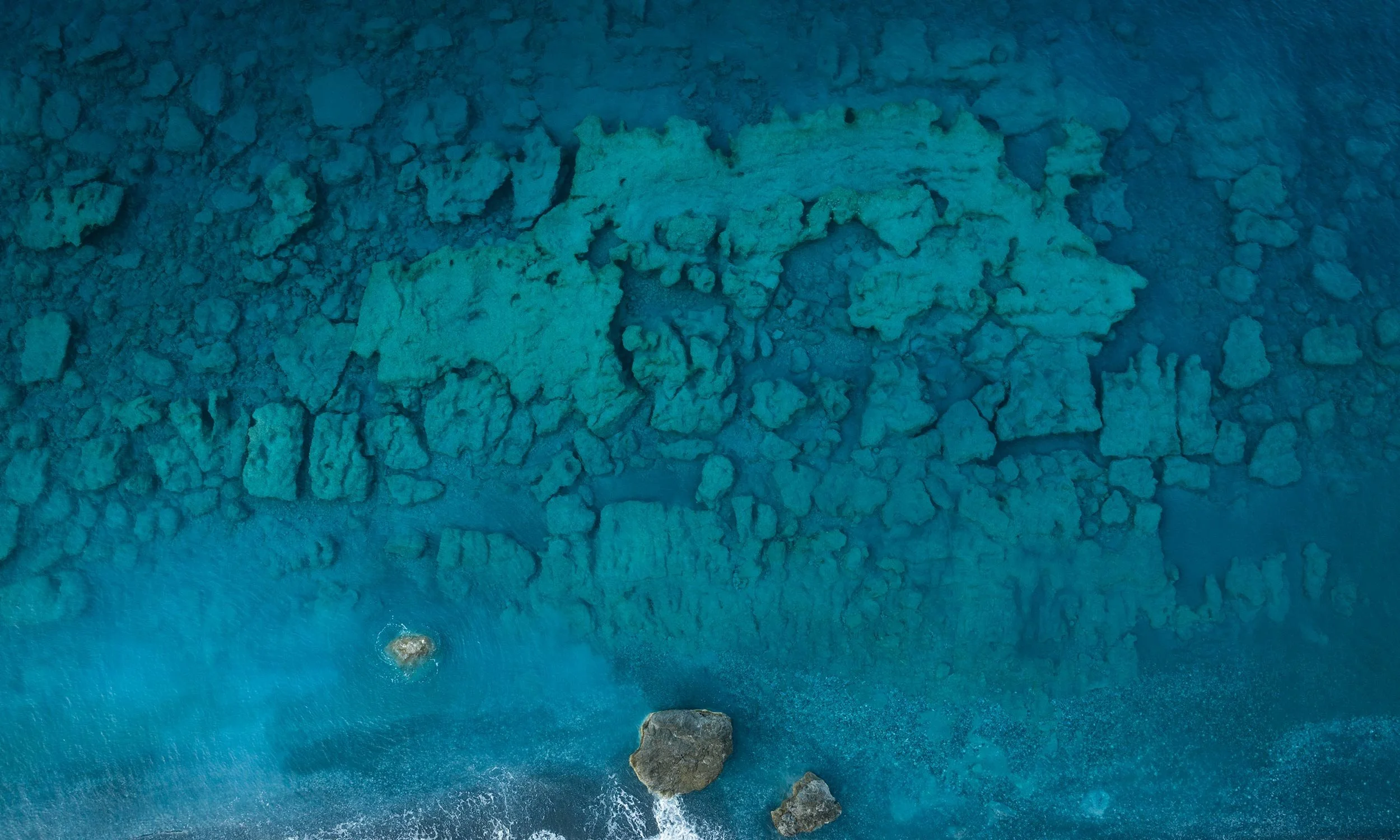
The ocean sustains all life on our blue planet. We’ve never needed it more than we do now. But, it’s never been so under threat.
From climate breakdown to overfishing and offshore drilling, our actions are wreaking havoc on chemistry, carbon, currents, and life, jeopardizing the ocean in ways we’ve never seen before.
It’s getting warmer, stormier and more acidic. Ice caps are melting, seas are rising, super storms are intensifying. And we’re draining it of life, devastating fish stocks that provide food for billions and livelihoods for hundreds of millions.
But this isn’t the end of the story.
Because the ocean need not be a passive victim of the climate emergency, but an essential part of the solution.
THE OCEAN IS A CLIMATE CHAMPION
In the fight against climate change, the real frontline is not on land, but at sea.
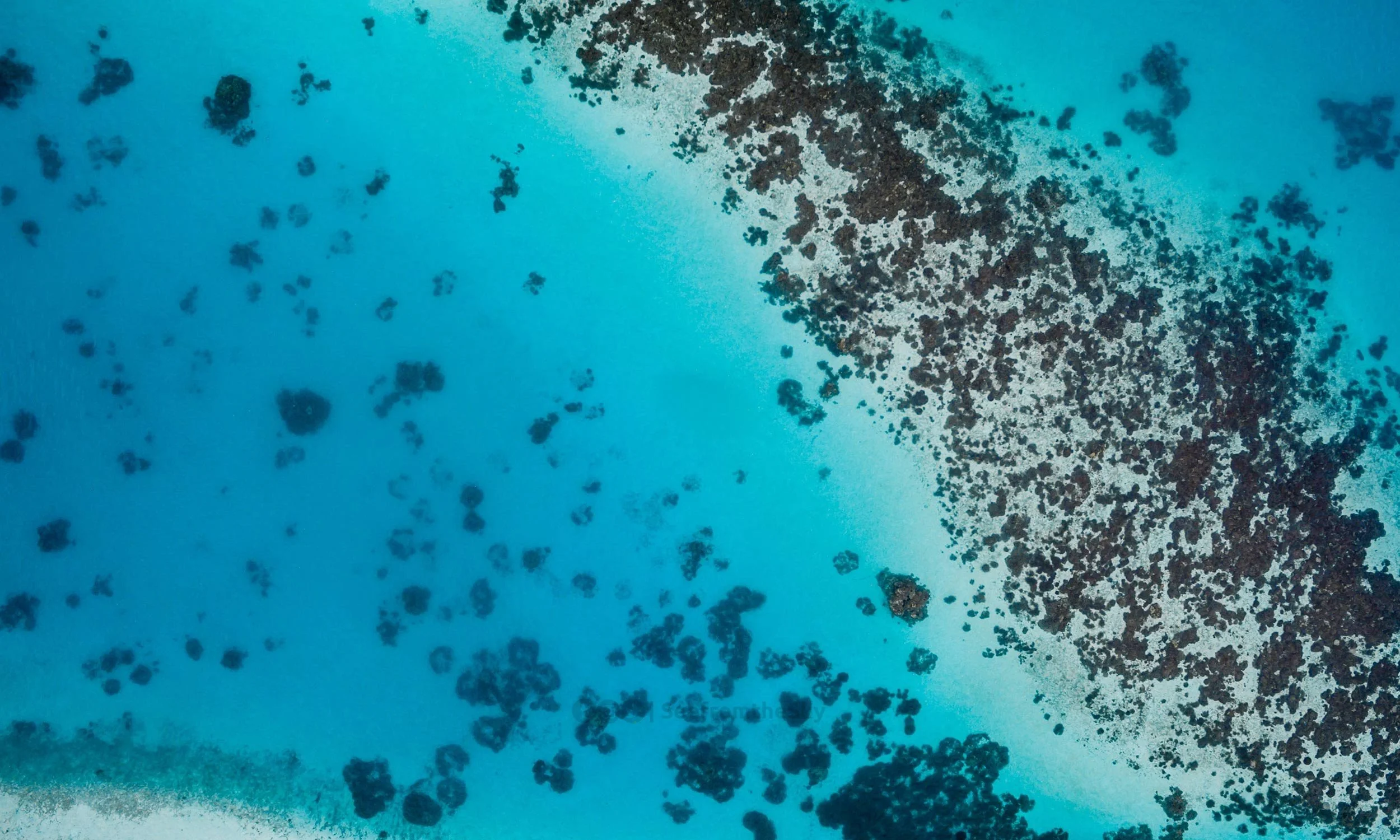
The ocean is our strongest but most undervalued ally in the struggle, and harnessing its power is the one of the greatest opportunities we have to slow runaway warming, and safeguard life on Earth.
The world’s largest carbon sink, the ocean has absorbed 30% of our emissions and almost all the excess heat, shielding us from the worst impacts of the climate crisis and buying us time we’ve scarcely deserved.
-
![A row of offshore wind turbines in the water extending into the horizon under a partly cloudy sky.]()
Ocean of opportunity
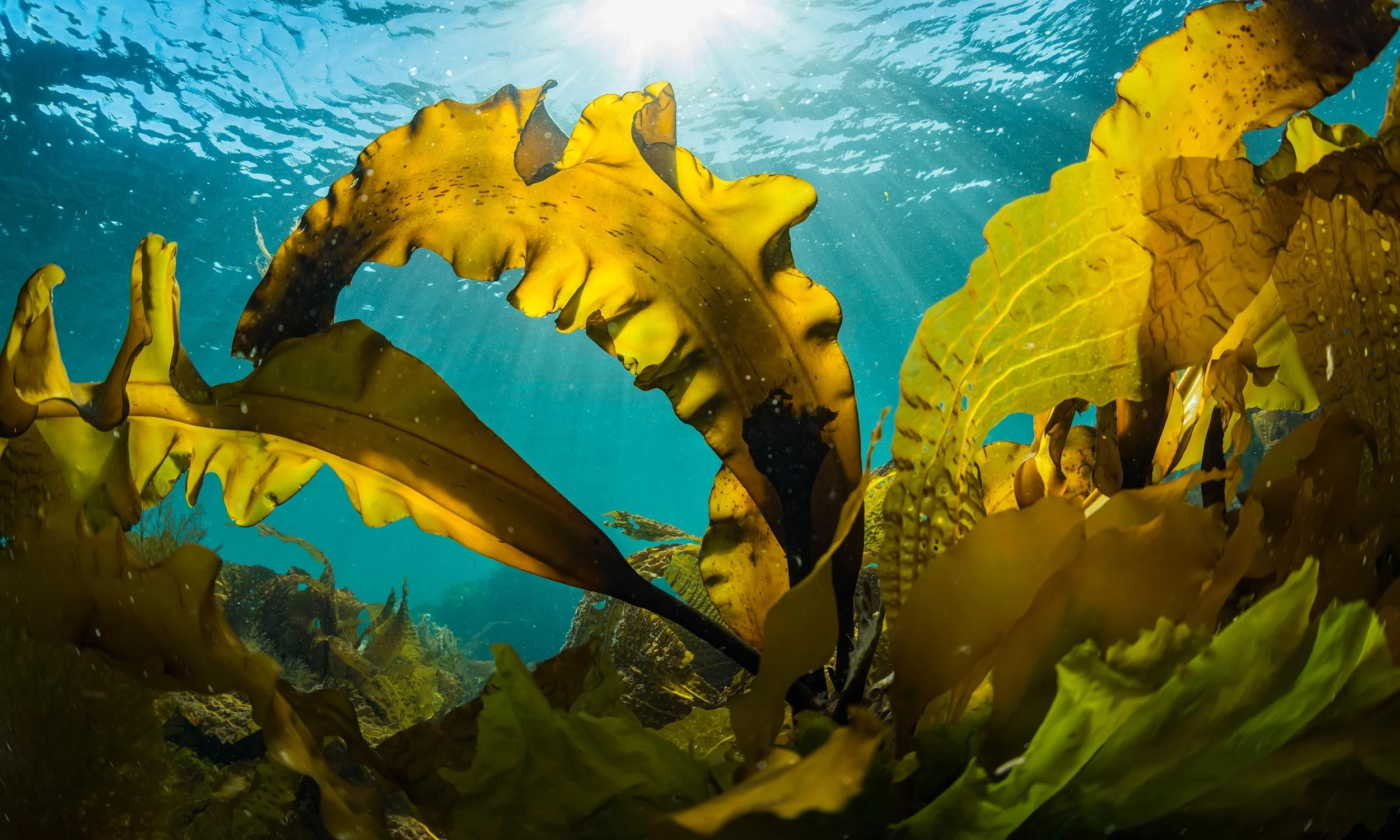
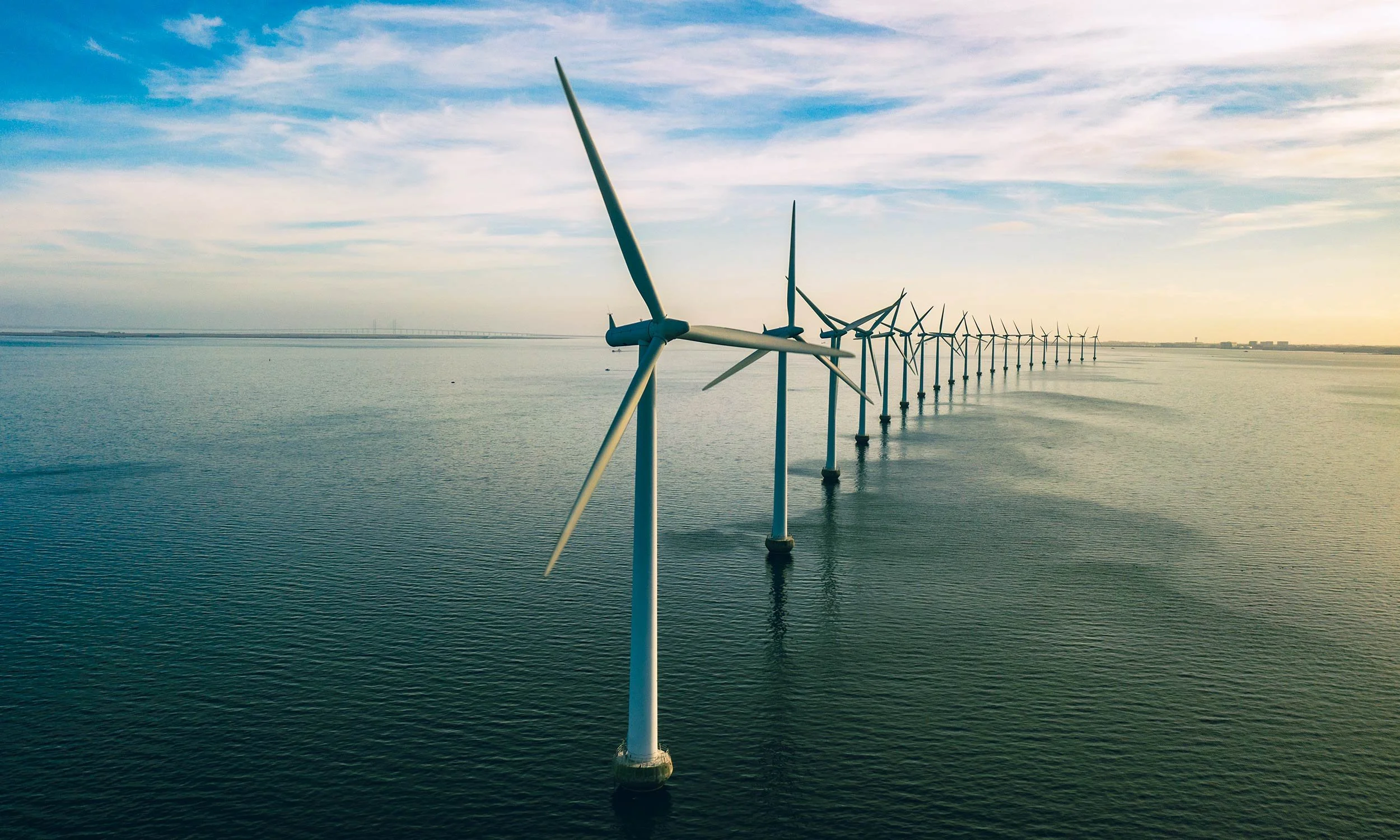
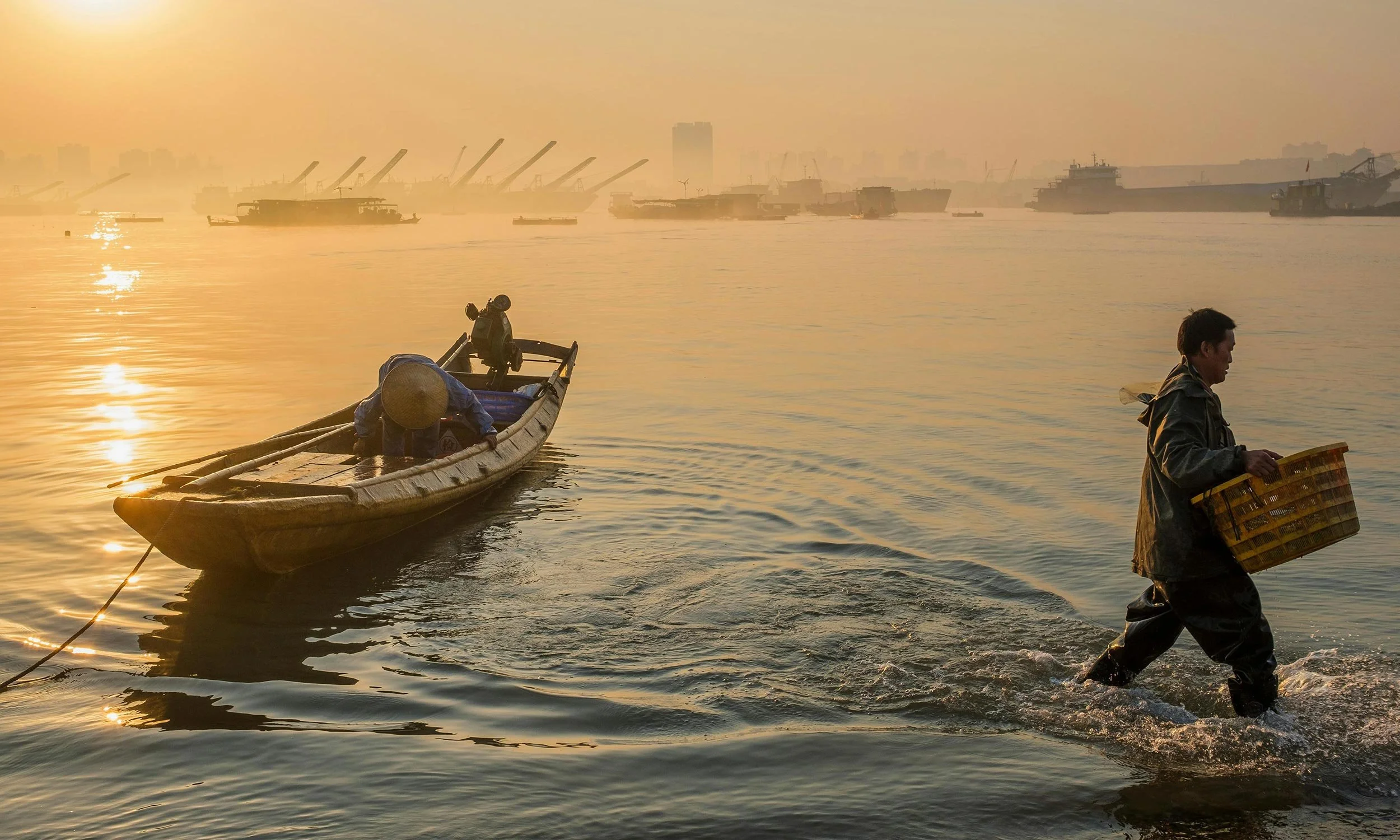
The ocean is also a powerhouse of climate solutions – from winds strong enough to power the transition, to mangroves, seagrasses and salt marshes that lock away carbon, to coastal communities with the knowledge and resilience to help all of us weather the storm.
-
![Sunset over calm water with a traditional fishing canoe and silhouettes of mangrove trees in the distance.]()
Transformative potential
The collective potential of these ocean-based climate solutions is staggering: if we scale them fully, they could deliver half the emissions cuts needed to keep warming below 2°C.
-
![Fisherman casting a fishing net into calm waters at sunrise or sunset, with a clear sky and distant mountains.]()
More than carbon
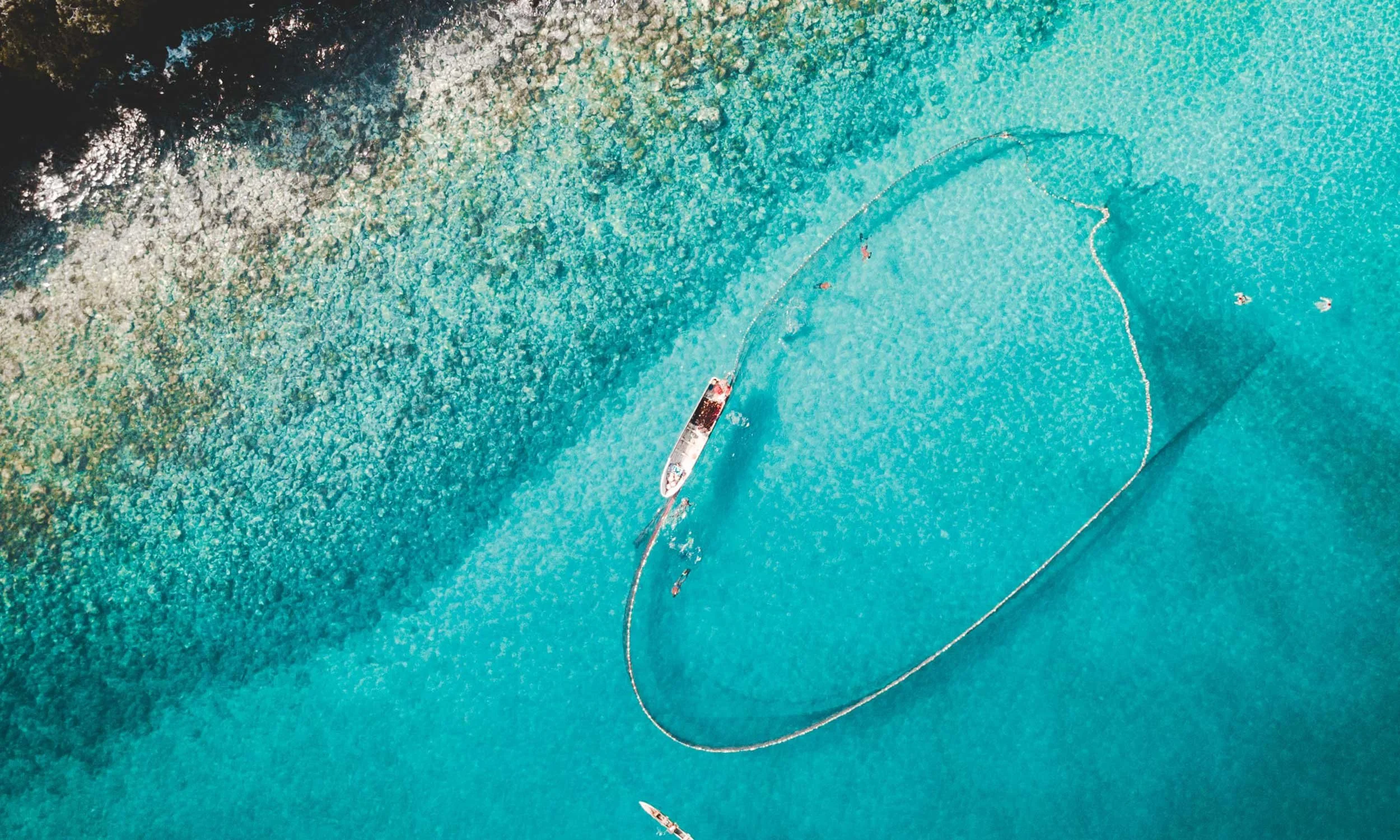
Ocean-climate interventions offer an enormous array of additional benefits. They can restore ocean life, provide jobs and income, protect livelihoods, and improve food security and storm protection for some of the most vulnerable people on the planet.


PHILANTHROPY FALLING SHORT
With ocean-based climate solutions, we have an unparalleled opportunity to tackle climate breakdown and protect and restore the heart of our blue planet.
But realizing this incredible potential requires flexible, fair and far-reaching funding.
And here, we’re falling woefully short. Climate philanthropy is falling short. Ocean philanthropy is falling short.
And where the two meet, in ocean-climate action, we are falling shortest of all.

VALUE FOR MONEY
Ocean–climate solutions are phenomenal value for money. When we restore a mangrove, we draw down carbon, buttress shorelines against storms, protect fish stocks, and safeguard food security and local livelihoods.
That is a win for climate, a win for nature, and a win for people.
CRACKS & GAPS
Why the enormous disparity between importance and investment?
Because the ocean–climate space has fallen through the cracks. Ocean funders have tended to focus on conservation; climate funders have tended to stay on land. Neither has owned the intersection, so it has remained underfunded and undervalued.
Major knowledge gaps have exacerbated the problem. Key science and technologies have lagged, delaying innovation and impact. Donors and leaders have looked elsewhere, and the field has been unable to grow at anything like the pace required.