ARCTIC CONSERVATION
The Arctic is the fastest warming ecosystem on Earth, posing unparalleled risks for wildlife, people and climate. Oceans North, Oceans Conservancy and Indigenous communities are working together to prevent new industrial threats and to safeguard this vital region at a scale never seen before.
Safeguarding ecosystems & Indigenous livelihoods
-
The Arctic is warming four times faster than the global average, with changes that reverberate far beyond the region. Safeguarding over 6 million km² of Arctic Ocean will help stabilize a critical global climate regulator, reducing the risk of runaway warming and irreversible tipping points.
-
Philanthropy can bolster Indigenous governance, fund precautionary agreements, protect marine ecosystems at scale and build durable cross-border coalitions.
-
Despite its global importance, the Arctic remains underfunded compared to other climate priorities, especially for Indigenous-led approaches.
PROBLEM
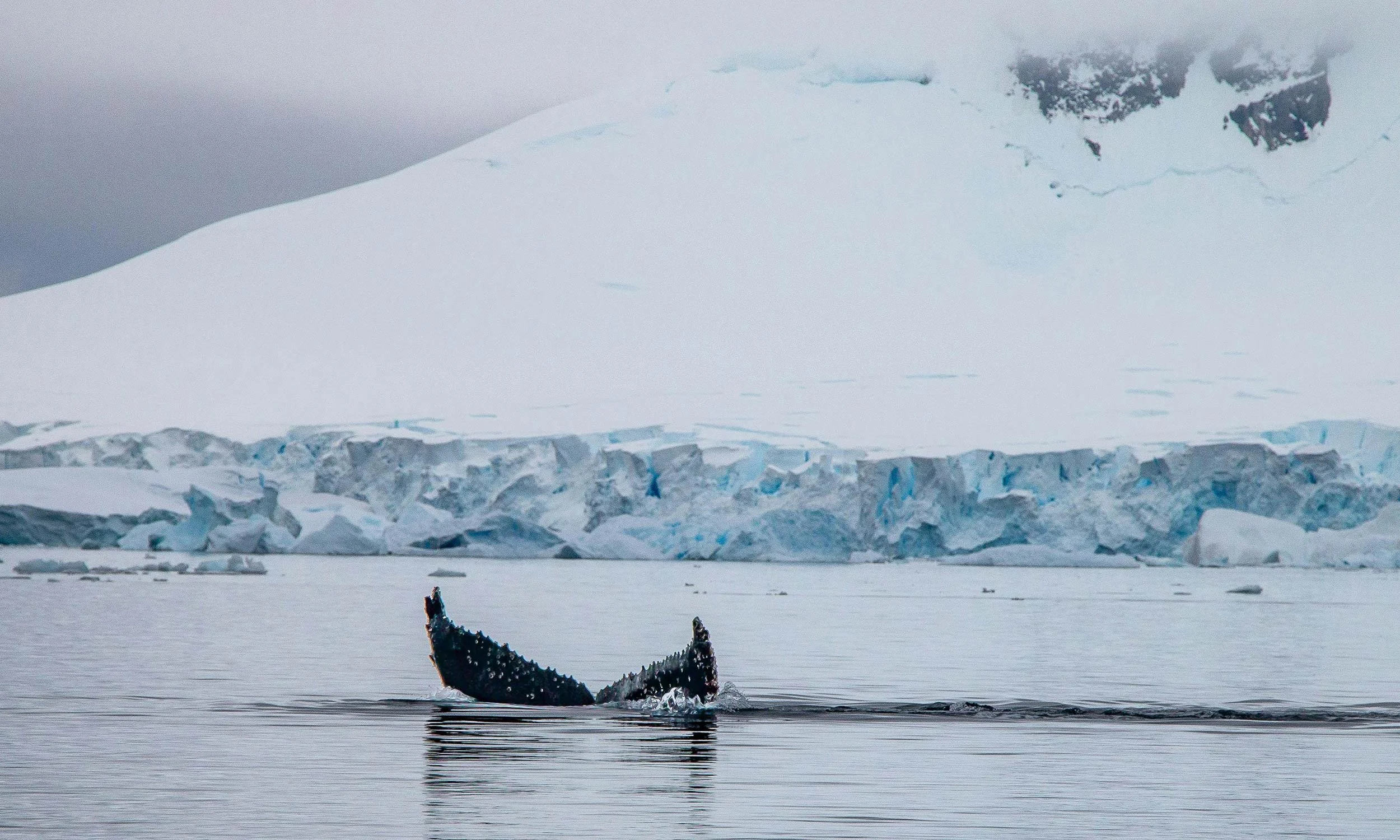
The Arctic plays a crucial role in regulating the global climate, but is experiencing some of the most extreme impacts of climate breakdown. It is warming four times more rapidly than the global average, causing seasonal sea ice, a critical habitat for Arctic wildlife, to vanish at unprecedented rates and raising the spectre of ice-free Arctic summers within the next decade.
As the ice retreats, new threats from old industries are emerging. Shipping, mining, industrial fishing and offshore oil and gas are expanding into previously inaccessible waters, threatening fragile ecosystems and Indigenous ways of life like never before.
With large parts of the Arctic Ocean lying beyond the authority of any single nation, there is also the growing danger of an unregulated scramble for resources. With the risks escalating but extractive activities still in their infancy, now is the moment to act.
GRANTEES
-
OCEAN CONSERVANCY
The world’s leading ocean conservation organization, Ocean Conservancy is committed to understanding, protecting and advocating for our ocean and all who depend on it.
-
OCEANS NORTH
Oceans North works in partnership with coastal and Indigenous communities from the Arctic to the Atlantic and beyond to address the threats facing northern marine ecosystems.
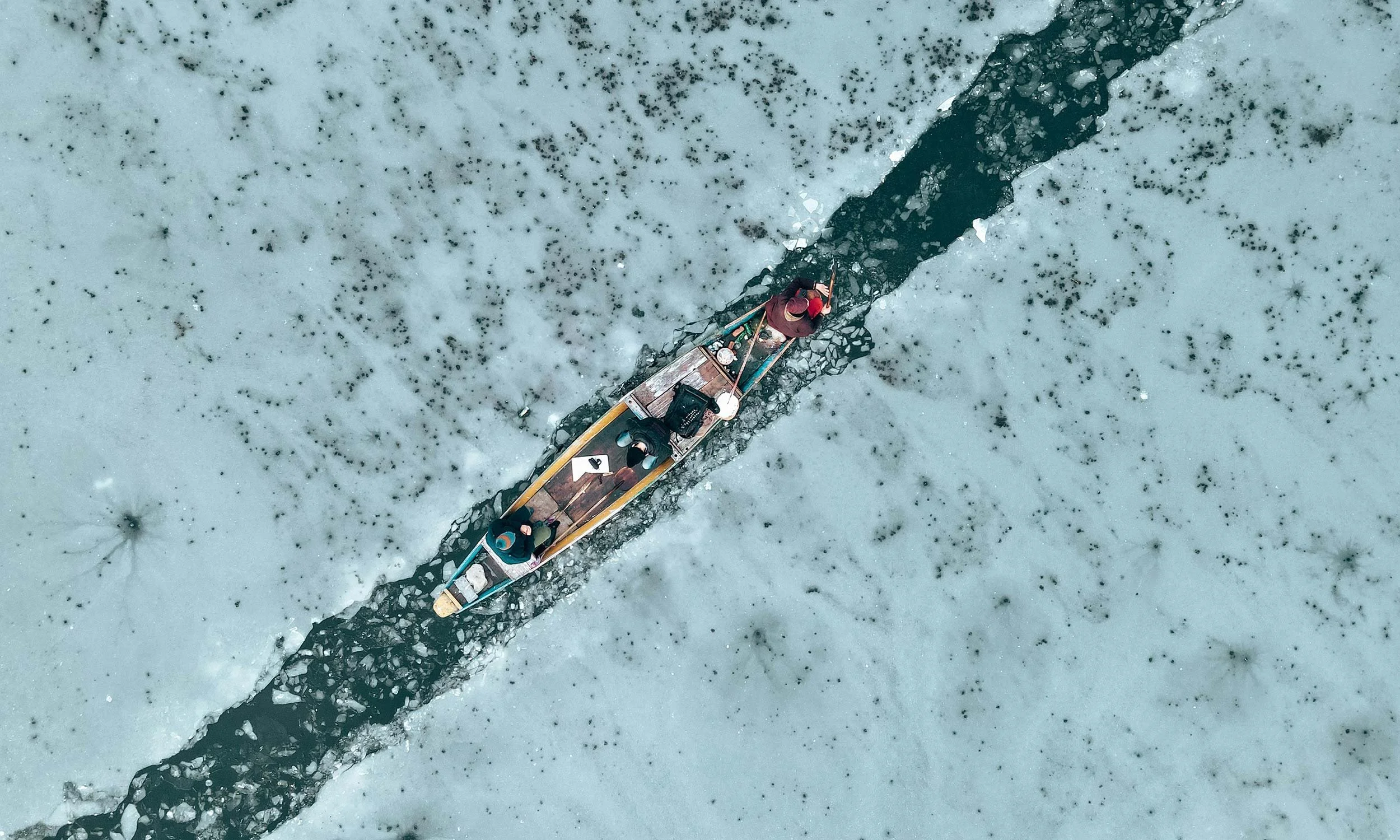
OPPORTUNITY
This first-of-its-kind, multi-country, multi-year effort supports Indigenous-led and science-informed efforts to safeguard the Arctic as a living system and a climate stabilizer. It brings together Arctic nations, Indigenous peoples, and leading conservation organisations to build the world’s largest network of protected marine ecosystems and reduce industrial stressors across the region.
By centering Indigenous knowledge alongside scientific evidence, grantees are advancing solutions that are environmentally effective, culturally grounded and politically durable, safeguarding the Arctic before irreversible damage is done.
-
6 MILLION KM2
of vital Arctic Ocean habitat protected by 2028, delivering potentially transformative benefits for climate stability, biodiversity and Indigenous livelihoods.
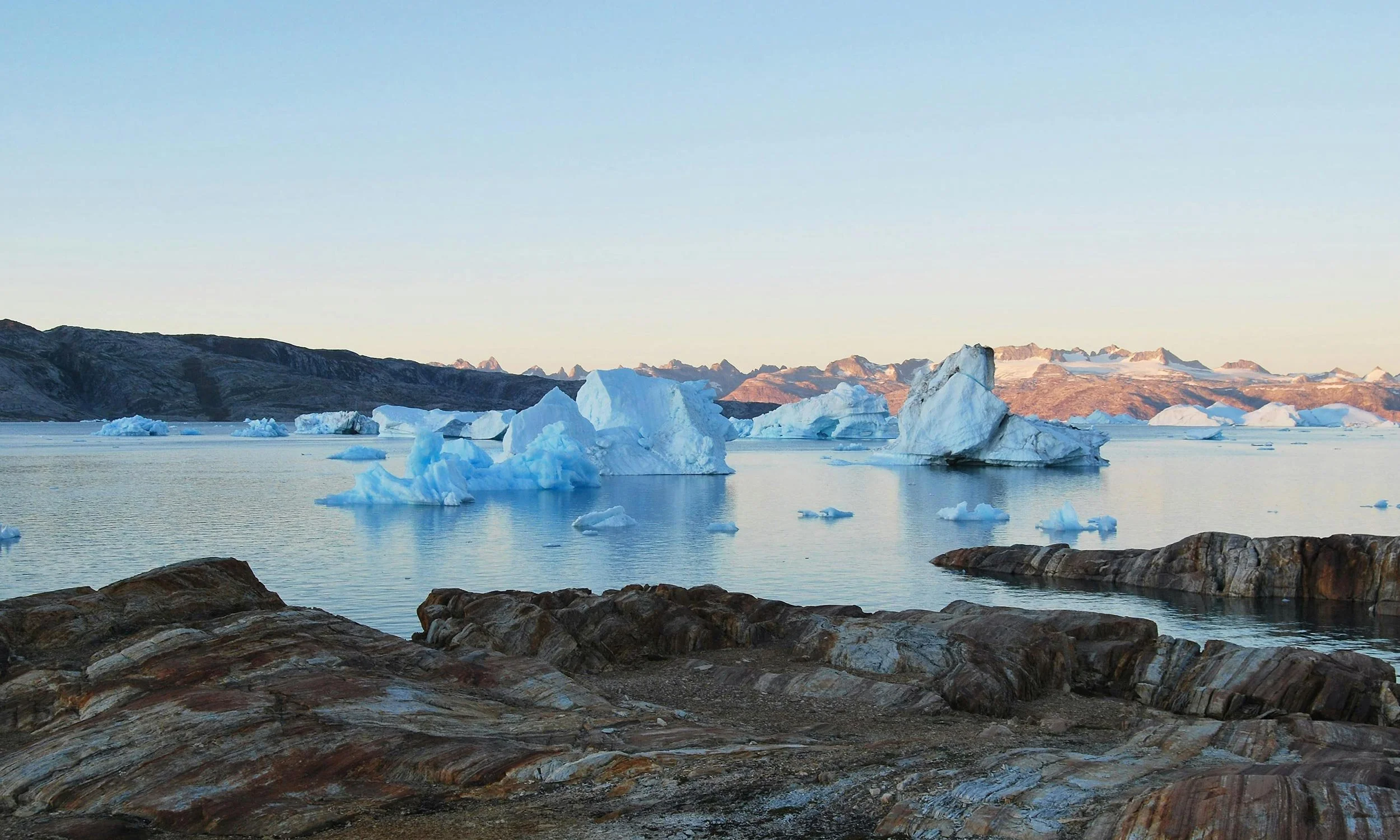
IMPACT GOAL
Ocean Conservancy and Oceans North are working in partnership with Indigenous communities to deliver locally rooted marine protection at scale across the Arctic Ocean. Together, they are bolstering global agreements to prevent emerging industrial threats in the Central Arctic Ocean, while improving protection and management of critical habitats and fisheries in Canada, the United States and Greenland.
By 2028, they will secure and strengthen protections across more than 6 million km² of vital Arctic Ocean habitat, delivering potentially transformative benefits for climate stability, biodiversity and Indigenous livelihoods.
WHAT WE FUND
-
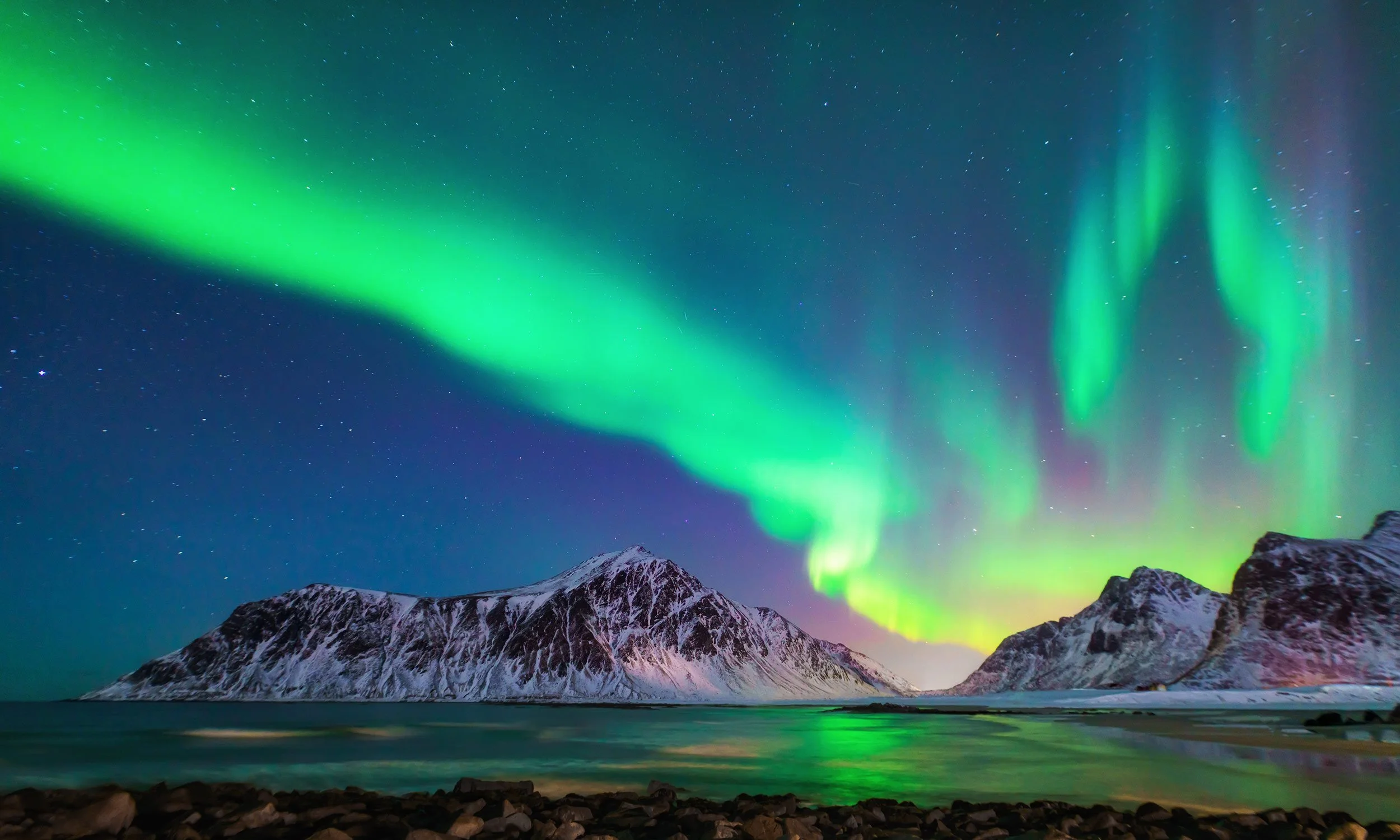
![Northern lights over snow-capped mountains and ocean, night sky with stars.]()
ARCTIC CONSERVATION
Safeguarding ecosystems and Indigenous livelihoods
-
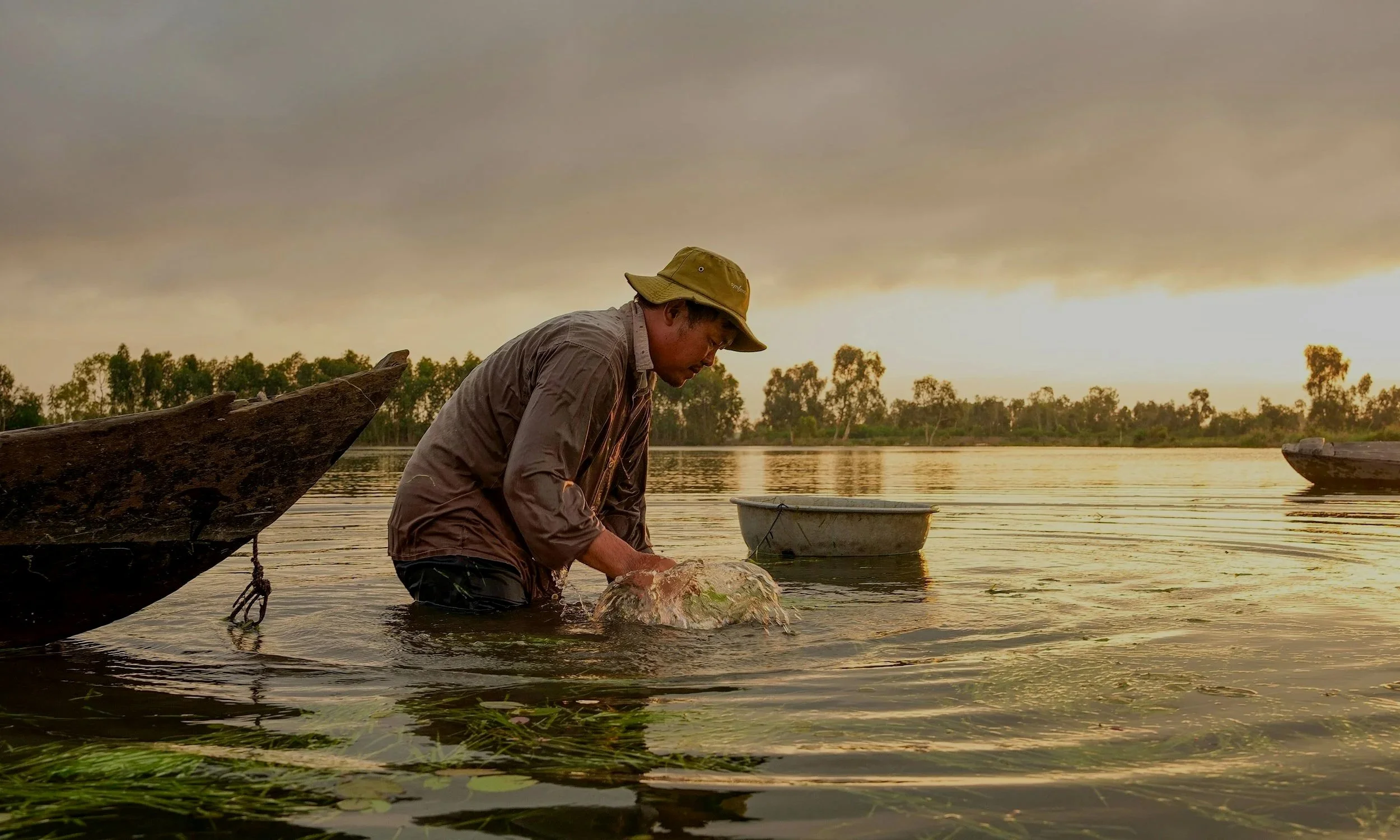
![A man in a brown jacket and wide-brimmed hat is standing in a body of water, holding a large fish. Two boats are nearby in the water, with a backdrop of trees and a cloudy sunset sky.]()
BLUE CARBON+
Protecting and restoring mangroves, seagrass, saltmarsh and kelp
-
![Two elderly people, a man and a woman, are repairing fishing nets. The woman is wearing a purple hijab, while the man is wearing a white shirt.]()
COASTAL FRONTLINE INITIATIVE
Strengthening community resilience and securing tenure rights
-
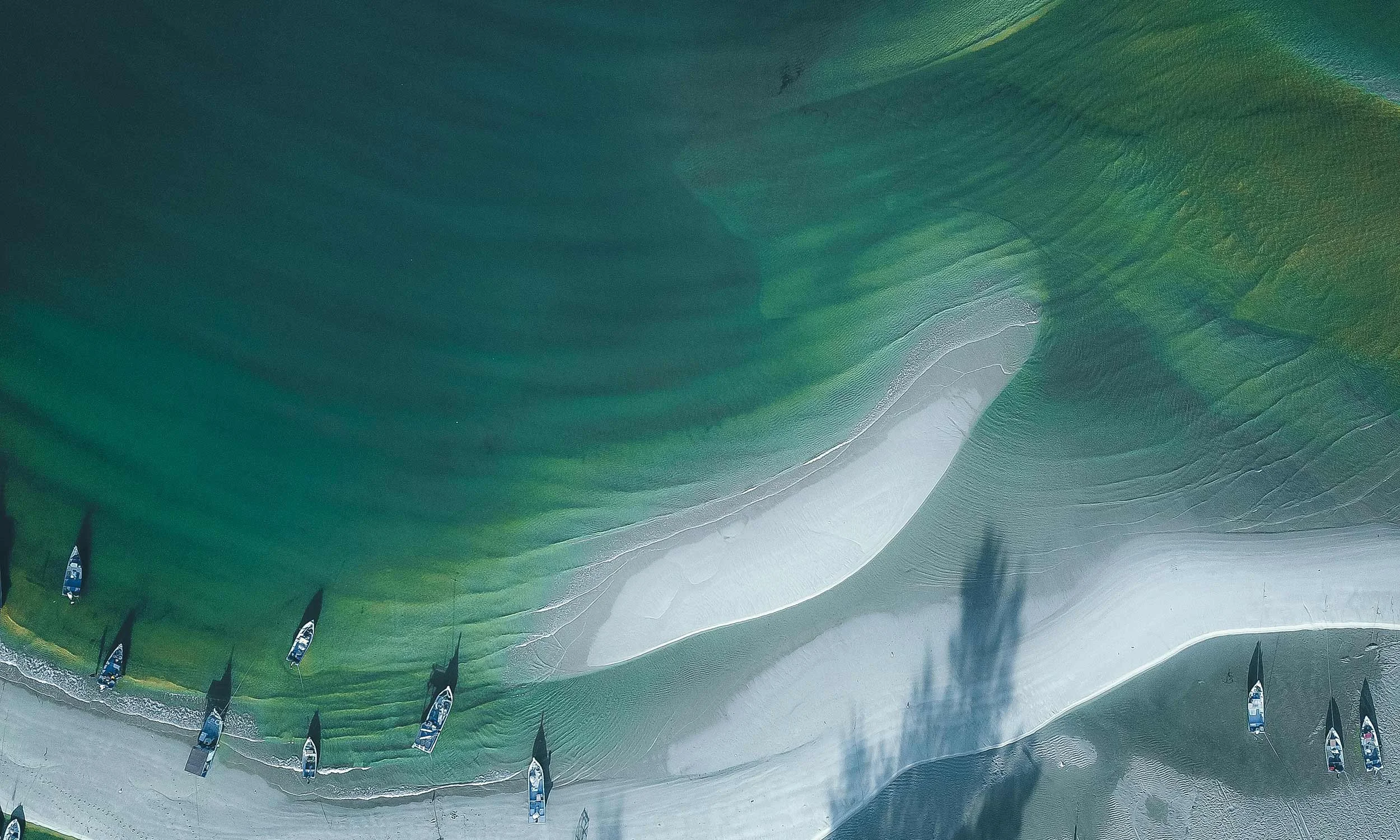
![Aerial shot of a sandy coastline with clear green water and artisanal fishing vessels pulled up on the foreshore]()
MARINE CARBON REMOVAL
Responsible and inclusive ocean-based carbon removal
-
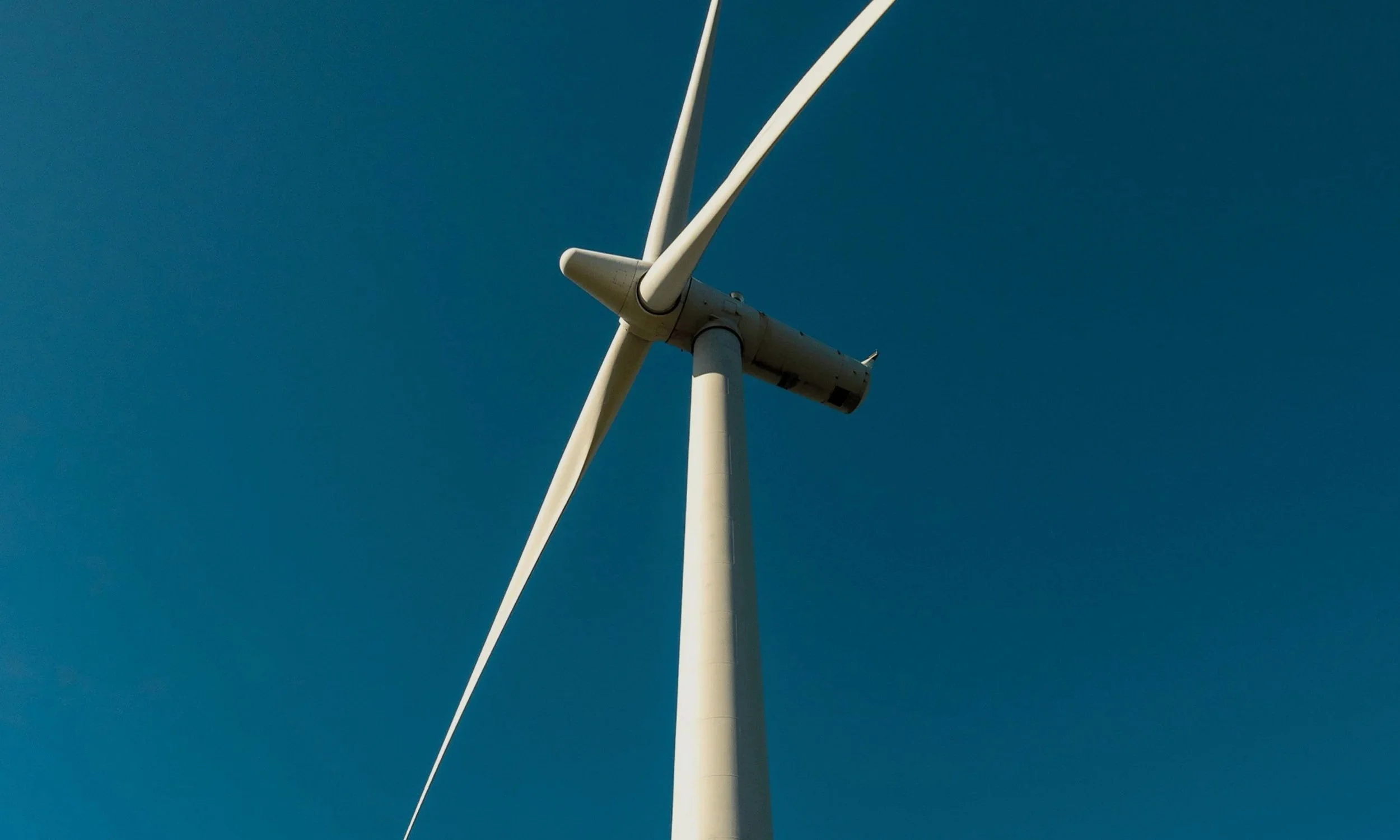
![A white wind turbine against a clear blue sky.]()
OFFSHORE WIND
Enabling fast, fair & responsible development in emerging markets
-
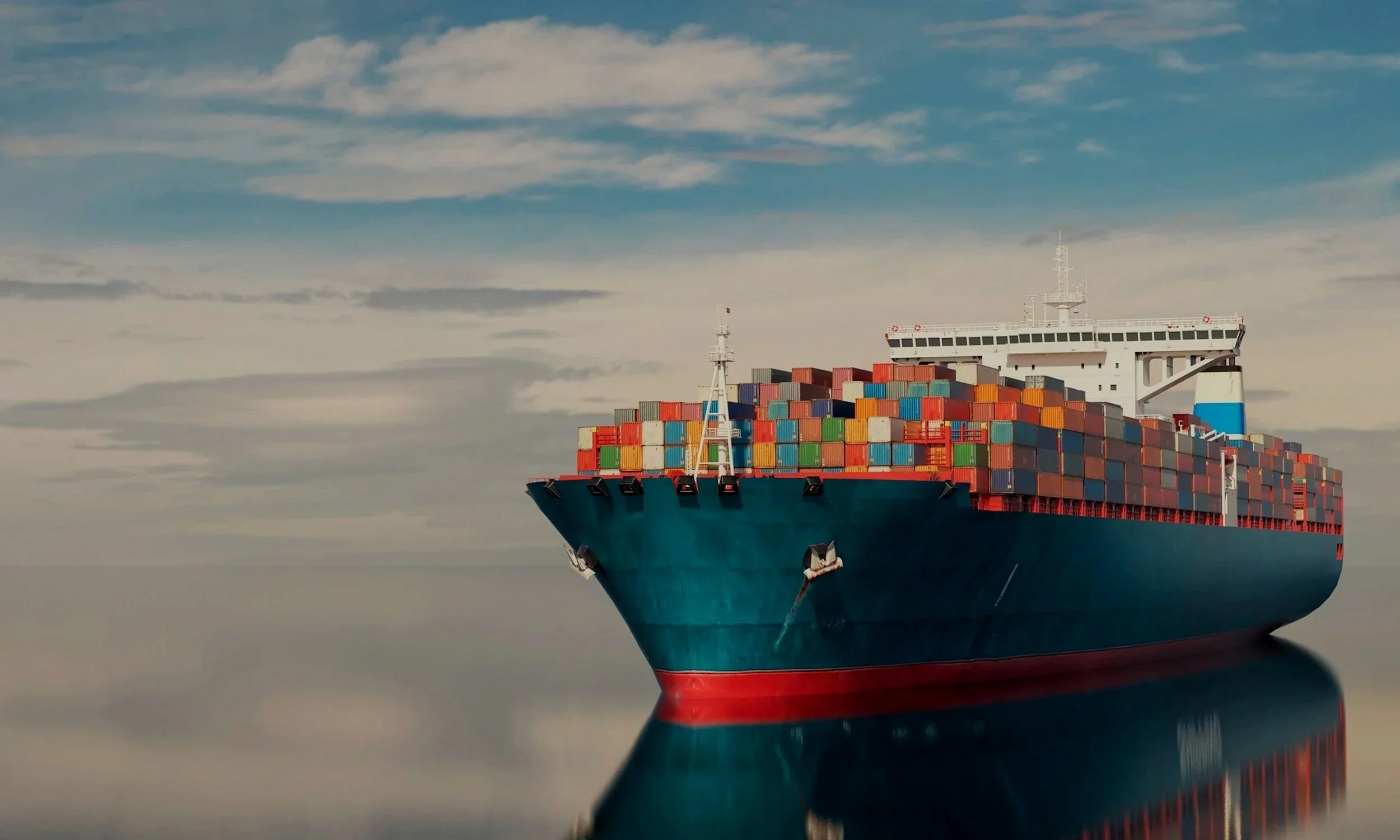
![A large cargo ship with colorful containers sailing in calm waters under a partly cloudy sky.]()
DECARBONIZING SHIPPING
Accelerating zero-emission fuels, ports and policy frameworks
-
![Two fishermen sitting on traditional round basket boats on a beach at sunset, with fishing boats anchored in the background under a cloudy sky.]()
OCEAN-CLIMATE DIPLOMACY
Embedding ocean priorities in global climate policy